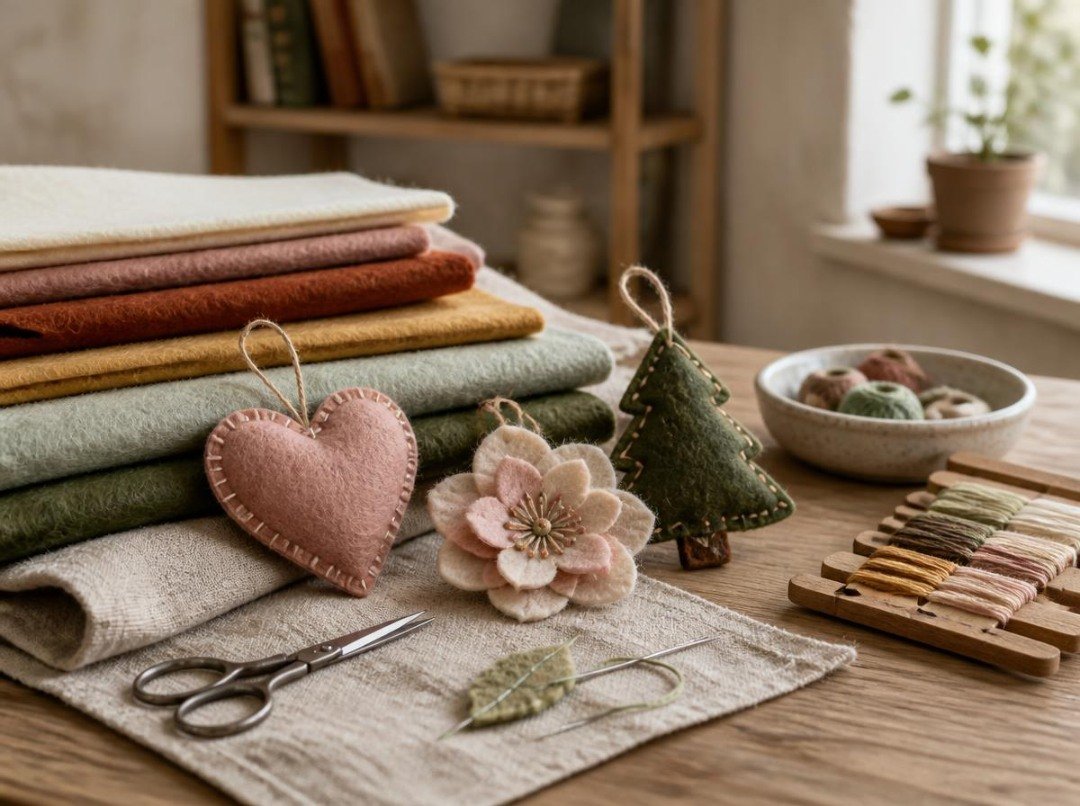

Felt comes in neat little squares, but two sheets that look almost identical can behave very differently under a needle. One holds a crisp edge. Another stretches slightly as you sew. A third is stiff enough for a flat decoration but awkward to stuff.
If you’re choosing felt for hand-sewn ornaments, small gifts, or appliqué, start with the project rather than the color. The fiber blend, thickness, and firmness all affect the finished result.
Wool felt, wool-blend felt, and craft felt
| Material | What to expect | Good uses | What to check |
|---|---|---|---|
| 100% wool felt | Usually dense with a pleasant hand and clean-looking cut edges. Often costs more. | Heirloom-style ornaments, small appliqué, pieces handled frequently. | Fiber label, actual thickness, and whether the felt is soft or firm. |
| Wool-blend felt | Can balance softness, structure, and price. Blends vary widely. | Stuffed ornaments, felt flowers, hand sewing, beginner projects. | Percentage of wool and sample photos; one blend isn’t identical to another. |
| Polyester or acrylic craft felt | Widely available in many colors and budget-friendly. Density and surface finish vary. | Practice pieces, party decorations, flat shapes, children’s crafts with appropriate supervision. | Whether it sheds, stretches, or has a loose fuzzy surface. |
| Stiffened felt | Holds its shape but is less flexible when folded or stuffed. | Flat cutouts, signs, backing pieces. | Suitability for folding, stitching through layers, and intended end use. |
Material labels are not perfectly standardized across craft sellers. A product described as “premium felt” could be wool, synthetic, or a blend. The fiber composition tells you more than the marketing name.
How thick should felt be?
Many craft sheets are sold around 1 mm, 1.5 mm, or 2 mm thick, though actual measurements and firmness depend on the manufacturer. Thickness matters, but it isn’t the whole story: a densely made 1 mm sheet may behave more firmly than a loosely made thicker one.
- Thin, flexible felt: useful for layered appliqué, delicate petals, and details that need to bend.
- Medium-weight felt: a practical starting point for hand-sewn shapes and lightly stuffed ornaments.
- Firm, thick felt: useful for coasters, flat decorations, and bases where a sharp silhouette matters.
For your first stuffed project, avoid the extremes. Very thin felt can show strain around the stitches; very stiff felt can make curved seams difficult. A medium-weight sheet that you can fold comfortably is usually easier to handle.
Five things to check before buying
- Read the fiber content. Look for an actual wool percentage or a clear synthetic-fiber description, not just “felt fabric.”
- Check the dimensions. A photograph of a large sheet can be misleading. Compare the listed size with the pattern pieces you plan to cut.
- Inspect the edge. Product photographs showing a close-up of a cut edge tell you more than a styled flat lay.
- Notice the firmness. A good listing may call the material soft, semi-firm, or stiff; if it doesn’t, read recent buyer feedback carefully.
- Confirm care instructions. Don’t assume felt is machine-washable. Water, heat, and agitation can change some wool products, while adhesives and stiffeners create other limits.
A quick scrap test before cutting your pattern
Before using a whole sheet, cut two small circles about 5 cm wide from your chosen felt. Sew them together halfway around with a blanket stitch, using the thread and needle you’ll use for the real project. Add a small amount of stuffing, then complete the seam.
Look closely at four details: do the holes widen around the stitches, do the edges stay together, is the curve smooth, and does the surface become unusually fuzzy from handling? This little test is especially helpful when you buy a new brand or switch thicknesses.
Match your felt to the project
Hand-sewn Christmas ornaments
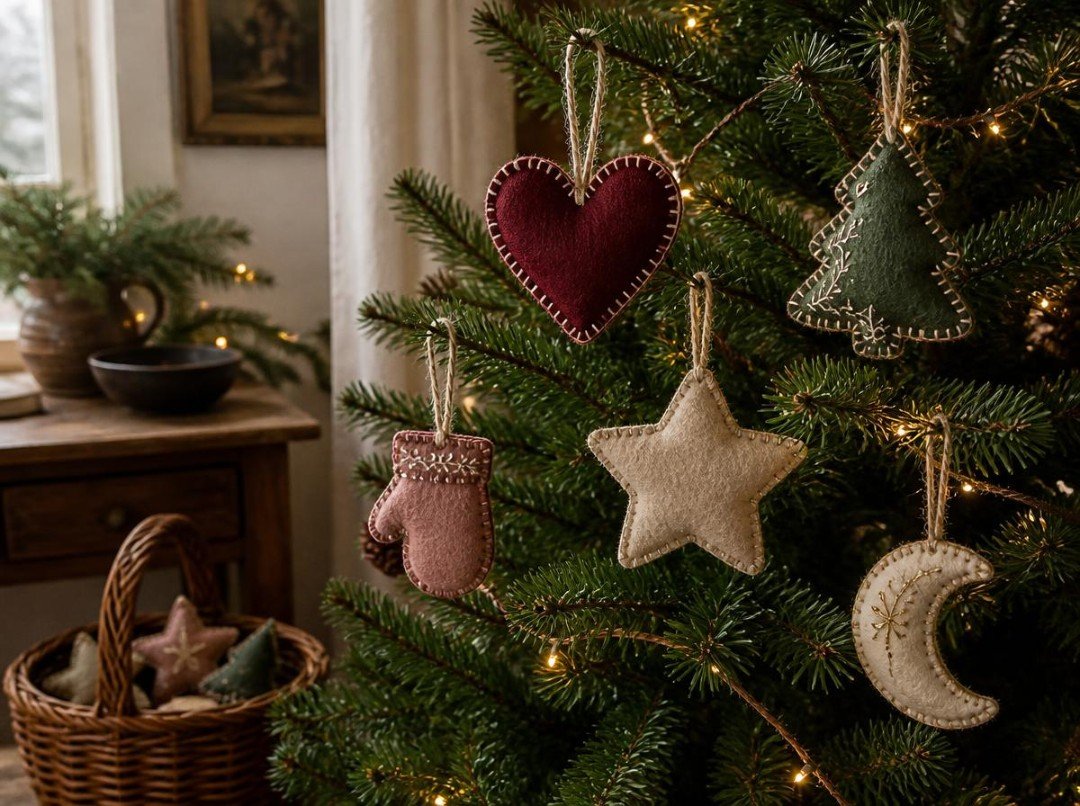
Choose felt that holds a cut edge but still bends easily around curves. A consistent medium-weight wool blend is a sensible starting point. Make a test ornament before cutting a whole batch.
Layered flowers and appliqué
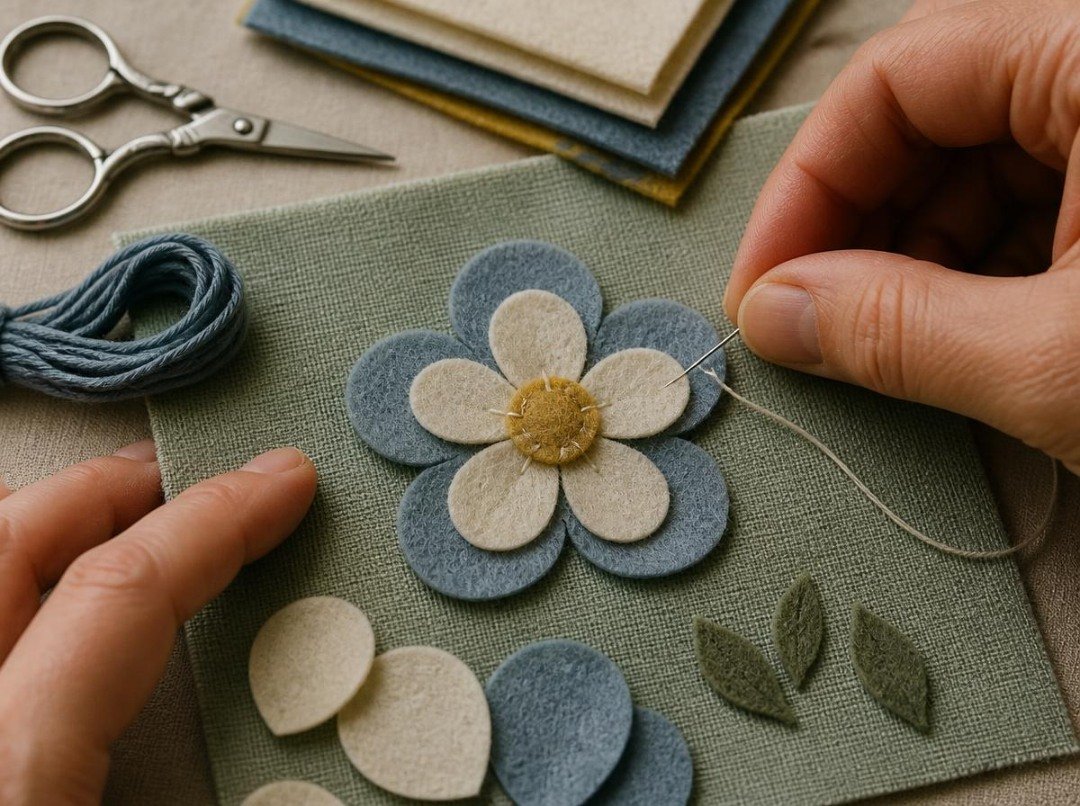
Thin, soft felt is easier to stack without creating bulky layers. Check that the smallest leaves and petals keep their shape after cutting.
Flat coasters and decorations
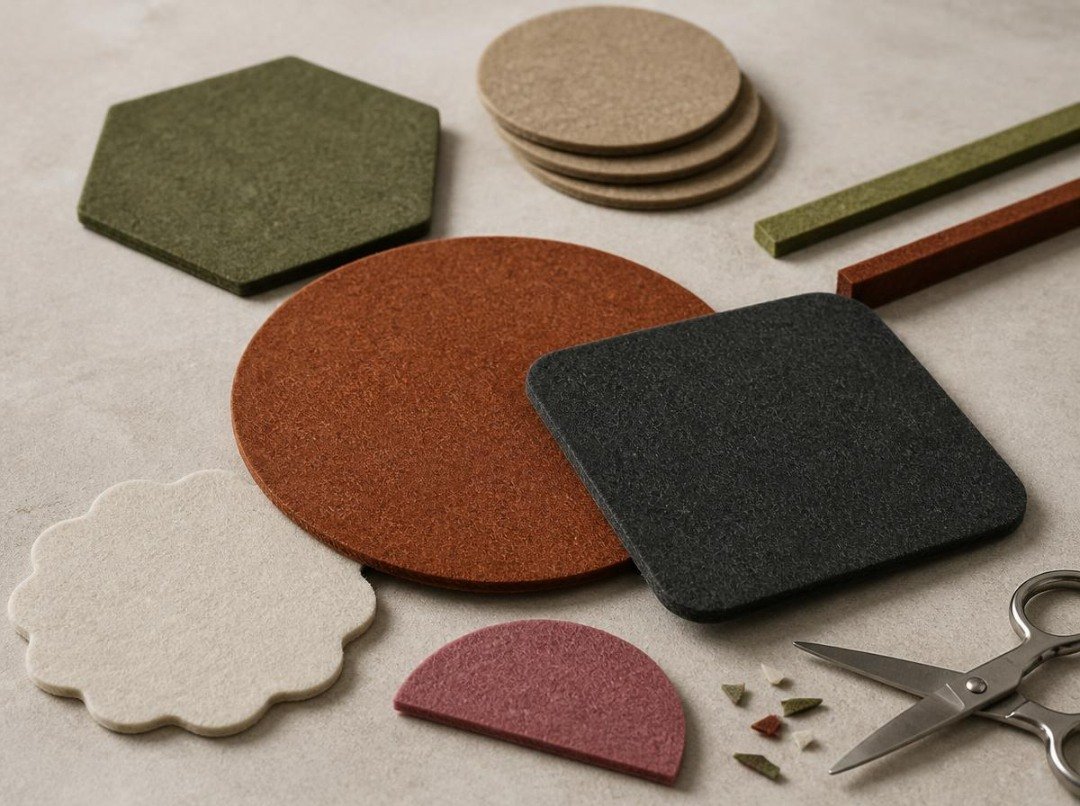
Look for a firm, dense material that lies flat. If the project will touch hot dishes or be cleaned regularly, check the maker’s actual temperature and care guidance; felt alone is not a universal heat-protection material.
Stuffed animals and dolls
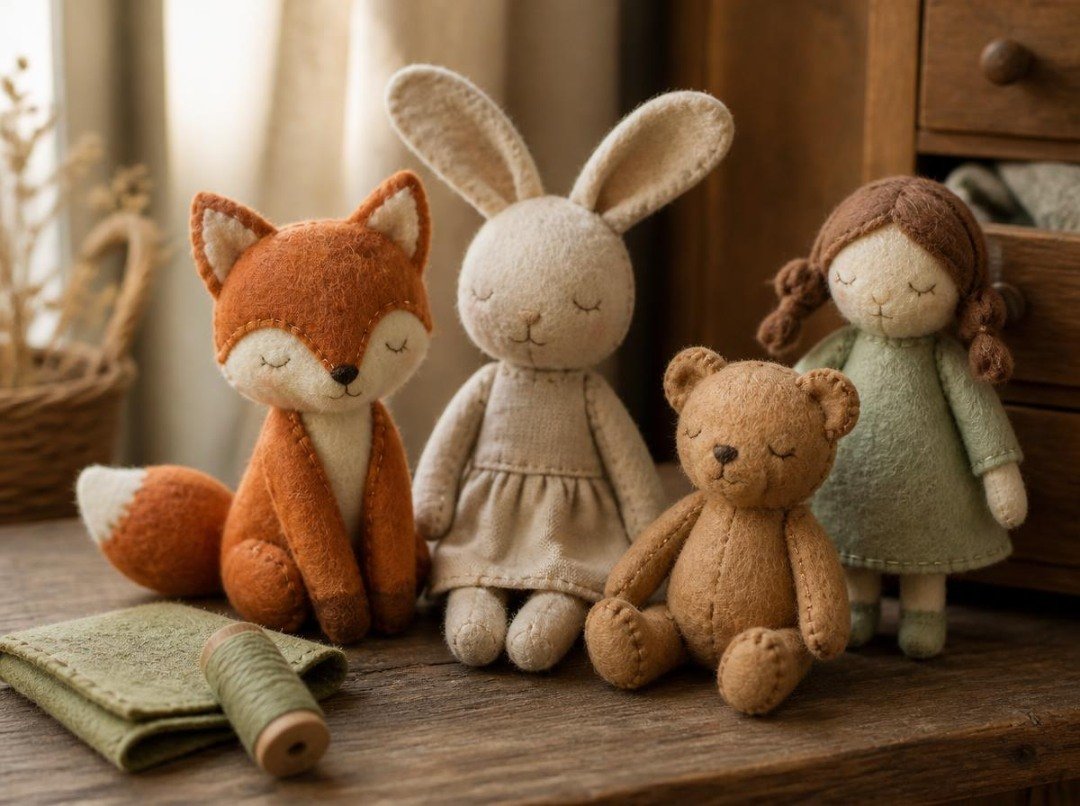
Flexibility matters, particularly around small curves and narrow limbs. Choose a pattern made for felt and use the recommended weight when possible. For toys intended for young children, avoid loose detachable embellishments and follow the applicable safety guidance.
What about the thread and needle?
Embroidery floss gives a visible decorative edge; ordinary sewing thread makes a quieter seam. A sharp hand-sewing or embroidery needle that passes through your felt without forcing large holes is usually more useful than one specific brand. Use a short enough length of thread to avoid tangles, and make your stitch spacing consistent before worrying about speed.
Frequently asked questions
Is wool felt always better?
No. Wool felt can be lovely to work with, but it costs more and isn’t necessary for every project. Good-quality synthetic felt can work well for practice pieces and decorations. The right choice depends on the result you want.
Can I use adhesive-backed felt for sewing?
It’s usually intended for sticking to a surface, not stitching or stuffing. Adhesive may gum up the needle or interfere with the seam. Use ordinary felt unless your instructions specifically call for adhesive-backed material.
Should I prewash felt?
Only if the manufacturer recommends it. Many small felt crafts are designed to be spot-cleaned rather than laundered. When in doubt, test a scrap with the intended cleaning method.
A simple first purchase
If you haven’t chosen your next project yet, start with a small selection of medium-weight felt in a few colors, a hand-sewing needle, embroidery floss, small scissors, and a scrap of stuffing. Make one small ornament and adjust the materials based on what you learn. You don’t need a huge variety pack to begin.